Los Angeles
Explore Weber’s powerful SEO tools
Explore SEO SolutionWhat Can You Do with Weber SEO?
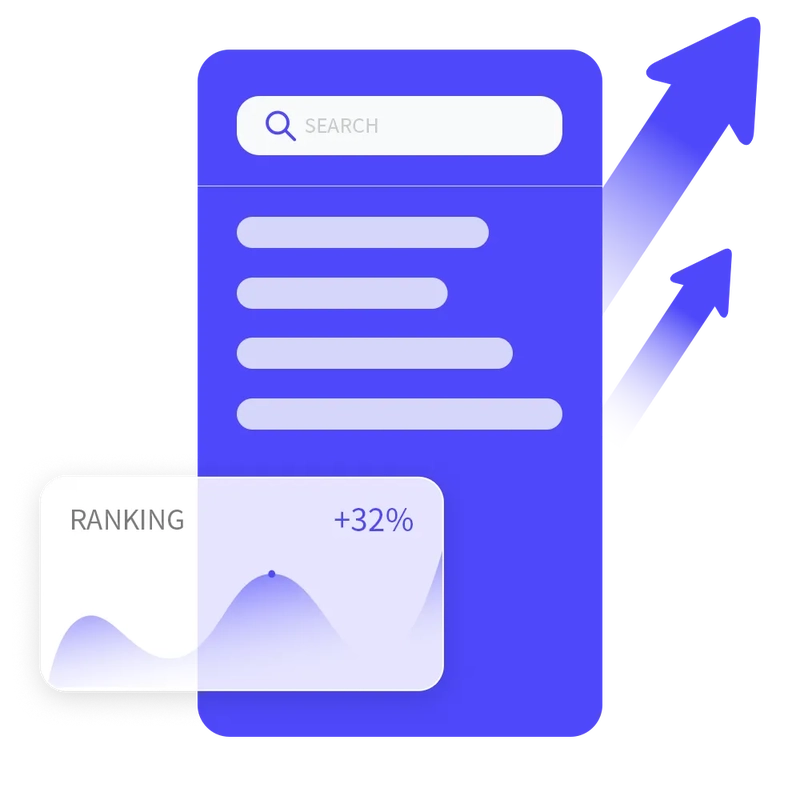
Increase website visibility
Every Weber site follows search engine ranking rules and starts with a strong SEO foundation. Technical and structural optimization maximize your organic rankings.
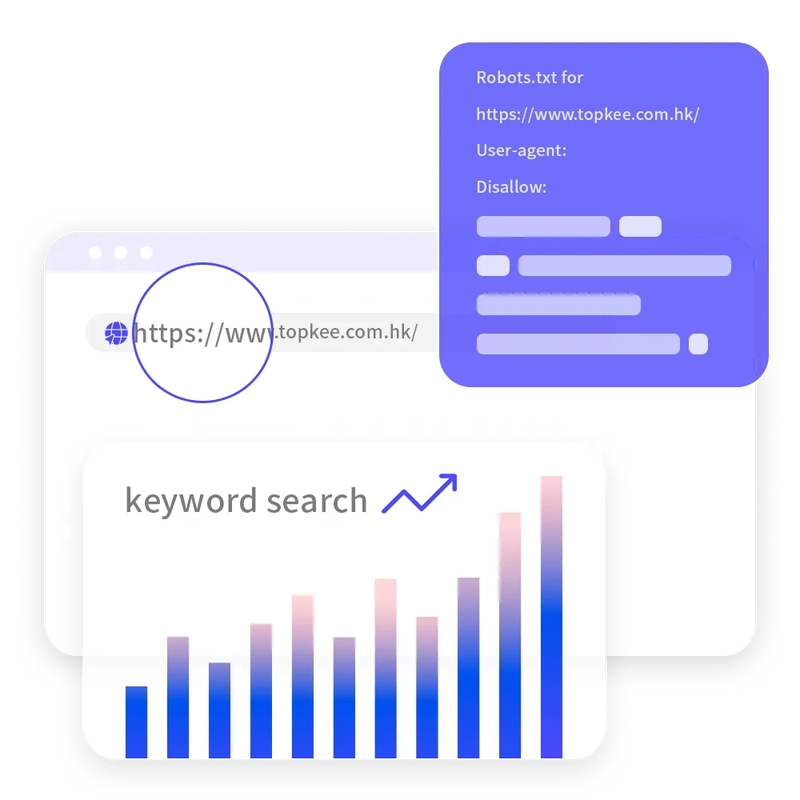
Increase website traffic
Customize meta tags, URLs, robots.txt, and more to strengthen keyword relevance and get the most out of your site in search results.
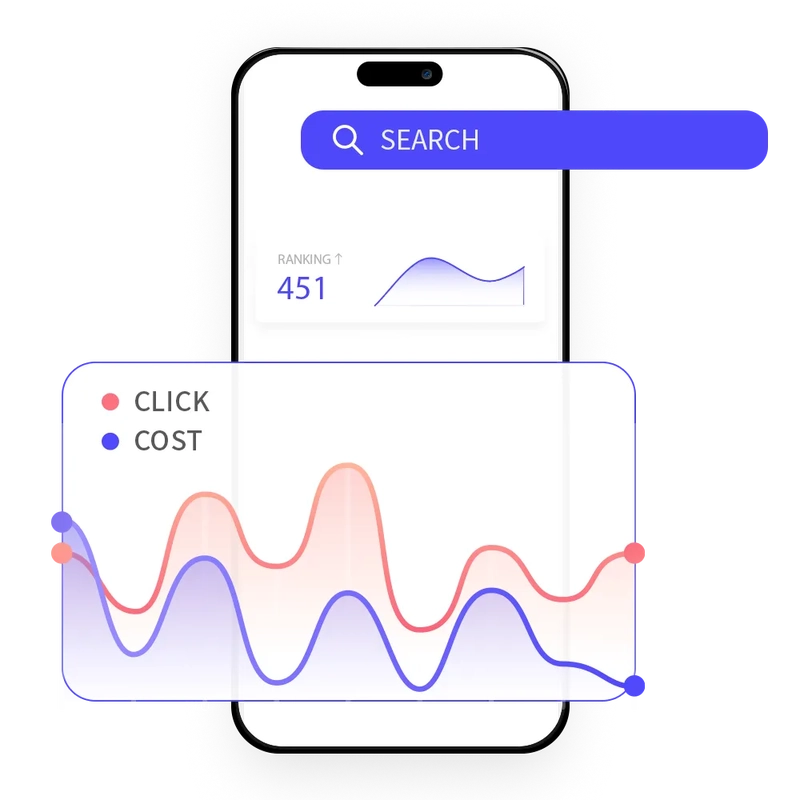
Reduce ad costs
An SEO-optimized site ranks higher, keeps pulling in traffic, and earns better quality scores in SEM. That means higher ad positions at a lower price and better cost efficiency.
Weber SEO Tools
A strong SEO foundation
Our infrastructure lets web crawlers reach, read, and capture your content, so search engines can fully understand what's on your site.
Customizable meta tags
Edit, modify, or add your page title, description, and OG tags to tune each page for search engines.
Smart robots.txt management
Weber generates a robots.txt file for your site automatically. Add instructions to tell crawlers how to crawl and index you, fix issues left by past content updates, and make sure users and search engines land on the right page.
Dynamic XML Sitemap
Weber builds and maintains sitemaps automatically, storing full-site data and pages while preserving how they relate. Search engines use them to discover and crawl your approved pages.
Free SSL Certificates
Every Weber site comes with an SSL certificate. All data in transit is encrypted via HTTPS to protect user privacy and defend against man-in-the-middle attacks.
Automatic Image Optimisation
Weber converts images to efficient WebP format automatically, speeding up page loads without losing quality. Better experience, better conversion.
Cross-device compatibility
Your site looks right on phones, tablets, and every other device, so it appeals to users wherever they browse.
URL redirect
Use the Redirect Manager to set redirects for individual URLs in seconds, avoiding duplicate content on your pages.
Website verification
Verify your site in the domain settings, confirm ownership, and track performance on Google and Bing.
Smart caching system
Weber caches static pages automatically to cut load time and improve browsing. Under heavy traffic it speeds up response, reduces server latency, and keeps the experience smooth.
Convenient tracking tools
Seamless integration with Google Analytics and Facebook Pixel lets you monitor user behavior and key metrics precisely, then tune marketing for better results and conversion.
Detailed website analysis
Track visits, orders, and revenue from the site management stats page. See how visitors interact with your site: how many came, how long they stayed, which pages they viewed, and where they came from.
On-site Audit
Use the site management stats page to track visits, orders, and revenue, and see visitor behavior, including page views, session length, and traffic sources.
Keyword Research Tool
Get detailed analysis of keywords and SEO metrics, including search volume, keyword difficulty (KD), estimated CTR, and PPC bid, so you can judge each keyword's potential value and competition.
Keyword Ranking Tracking
Enter the keywords and target countries or regions you want to track, and Rank Tracker shows where your site stands. Refresh the data regularly to monitor fluctuations, understand what's driving changes, and adjust strategy in time.
SEO KPI
Measure and analyze your keyword ranking performance in one place, including ranking position, SERP results, page association status, and indexing, for useful insights.
FAQ
What does SEO mean for SEM ads?
SEO and SEM are separate strategies, but they complement each other and affect each other in important ways.
1.Strong SEO improves SEM performance. An optimized structure and content help natural rankings and raise your SEM quality score, which lowers click costs. SEO keyword research also feeds valuable data into SEM.
2.Better visibility. Strong SEO lifts your organic ranking, while SEM puts optimized pages into search ads, further increasing visibility and click-through rate.
3.Stronger brand authority. When a brand shows up well in both organic and paid results, users tend to see it as authoritative and trustworthy.
4.Better user experience. Faster load times and cleaner page structure help SEM too. If the page a user lands on from an ad loads fast and is well organized, conversions come easier.
Overall, optimized SEO lifts organic rankings and makes SEM more effective and more profitable.
Can I customize my Weber site meta tags?
Yes. In the Weber visual editor, open page settings on the right and switch to SEO optimization. Edit the title, description, and URL however you like for unique SEO settings on every page.
How do I edit my robots.txt file on Weber?
Weber supports editing robots.txt. Use the editor to tell search engines which pages should and shouldn't be indexed, and to control crawler requests. To view your file, add /robots.txt to your root domain (e.g. www.domain.com/robots.txt).
How do I view my sitemap?
Add /sitemap.xml to your root domain to see your dynamic XML sitemap (e.g. https://www.domain.com/sitemap.xml).
What happens when I upload an image?
Weber compresses and converts it to WebP automatically, then crops it to the size the screen needs, with no loss of quality. Pages load faster and visitors get a smoother experience.
Does a Weber site help me show up in AI answers (GEO)?
It gives you the base GEO needs: clean HTML, fast pages, editable titles and descriptions, robots.txt and a live sitemap — what crawlers and AI engines read first. What the tool cannot decide is the content strategy: which questions to answer, what evidence to publish, how to keep brand facts consistent. That is the GEO (Generative Engine Optimization) work we run alongside the site.

Topkee — Marketing Connected to Revenue
Services
Products
© 2026 Topkee Inc. All rights reserved.